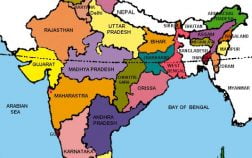
The Largest Delta in the World is the Ganges–Brahmaputra Delta, also known as the Bengal Delta or Sundarban Delta. Spreading across India and Bangladesh, this massive delta covers an area of approximately 75,000 square kilometers, making it the biggest delta on Earth.
Formed by the combined sediment deposits of the Ganges, Brahmaputra, and Meghna rivers, the Ganges–Brahmaputra Delta is not only the largest river delta in the world but also one of the most fertile and densely populated regions globally.
What Is a Delta?
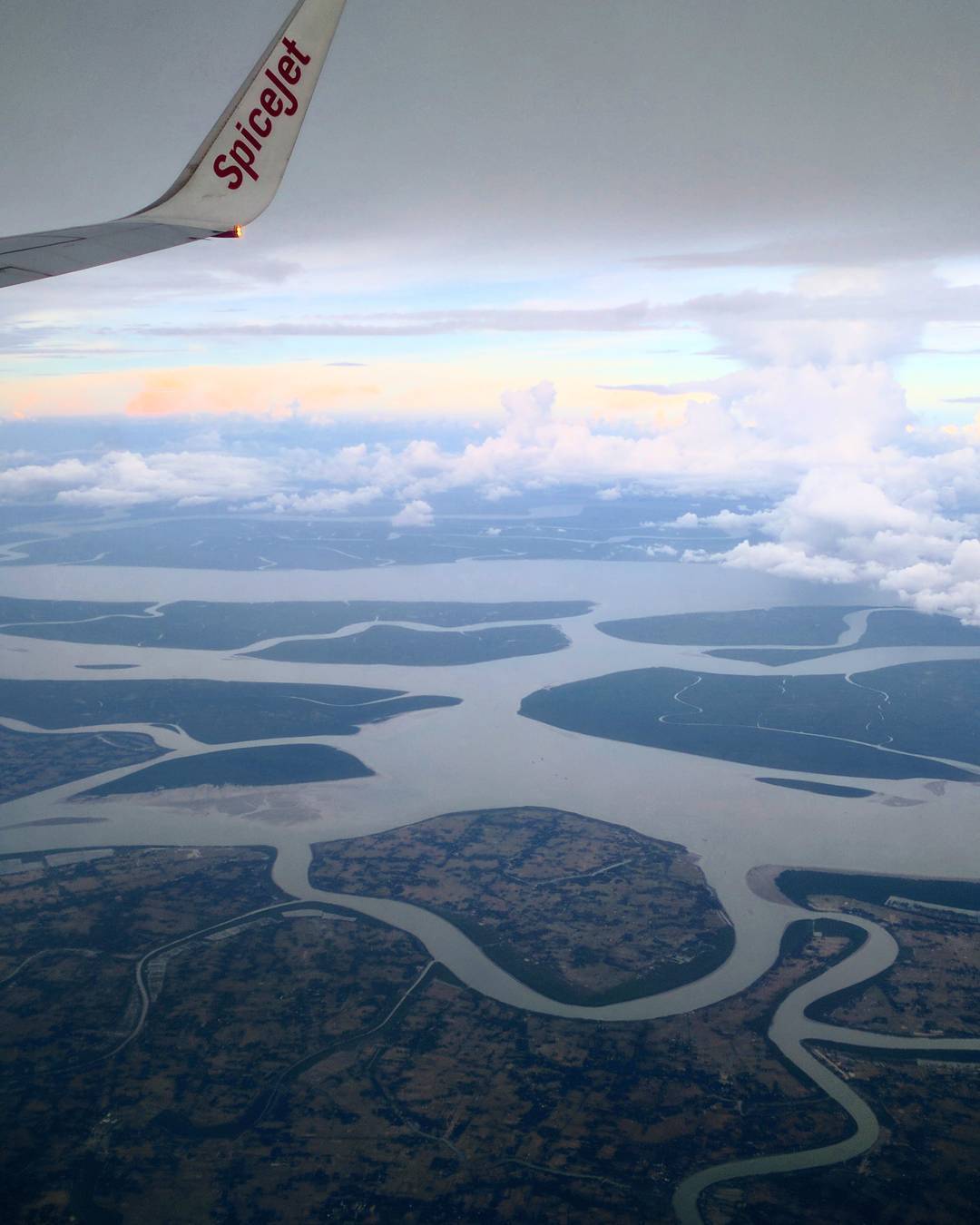
A delta is a landform created at the mouth of a river where it flows into a sea or ocean. Over time, rivers deposit sediments like sand, silt, and clay, forming fertile lowlands. Because of constant sedimentation from multiple rivers, the Ganges–Brahmaputra Delta has grown into the largest delta in world.
Ganges–Brahmaputra Delta: The Largest Delta in the World
The largest delta of the world is located in the Bengal region of the Indian subcontinent, covering:
West Bengal (India)
Bangladesh
It opens into the Bay of Bengal, where massive amounts of sediment are deposited every year.
Other Names of the Largest Delta in the World
Ganges Delta
Brahmaputra Delta
Bengal Delta
Sundarban Delta
Geography of the Largest Delta in the World
The Ganges–Brahmaputra Delta has a triangular and arc-shaped structure and is one of the most geologically active delta systems on Earth.
Key Geographical Features
Total Area: ~75,000 sq km
Width along the coast: ~350 km
Catchment Area: ~665,000 sq miles
Sediment Source: Southern slopes of the Himalayas
About two-thirds of the largest delta in India lies in Bangladesh, while the remaining portion is in India.
Rivers Forming the Largest Delta in the World
The delta is formed by three major rivers:
Ganges River
Brahmaputra River
Meghna River
Their distributaries include rivers like:
Hooghly
Padma
Jamuna
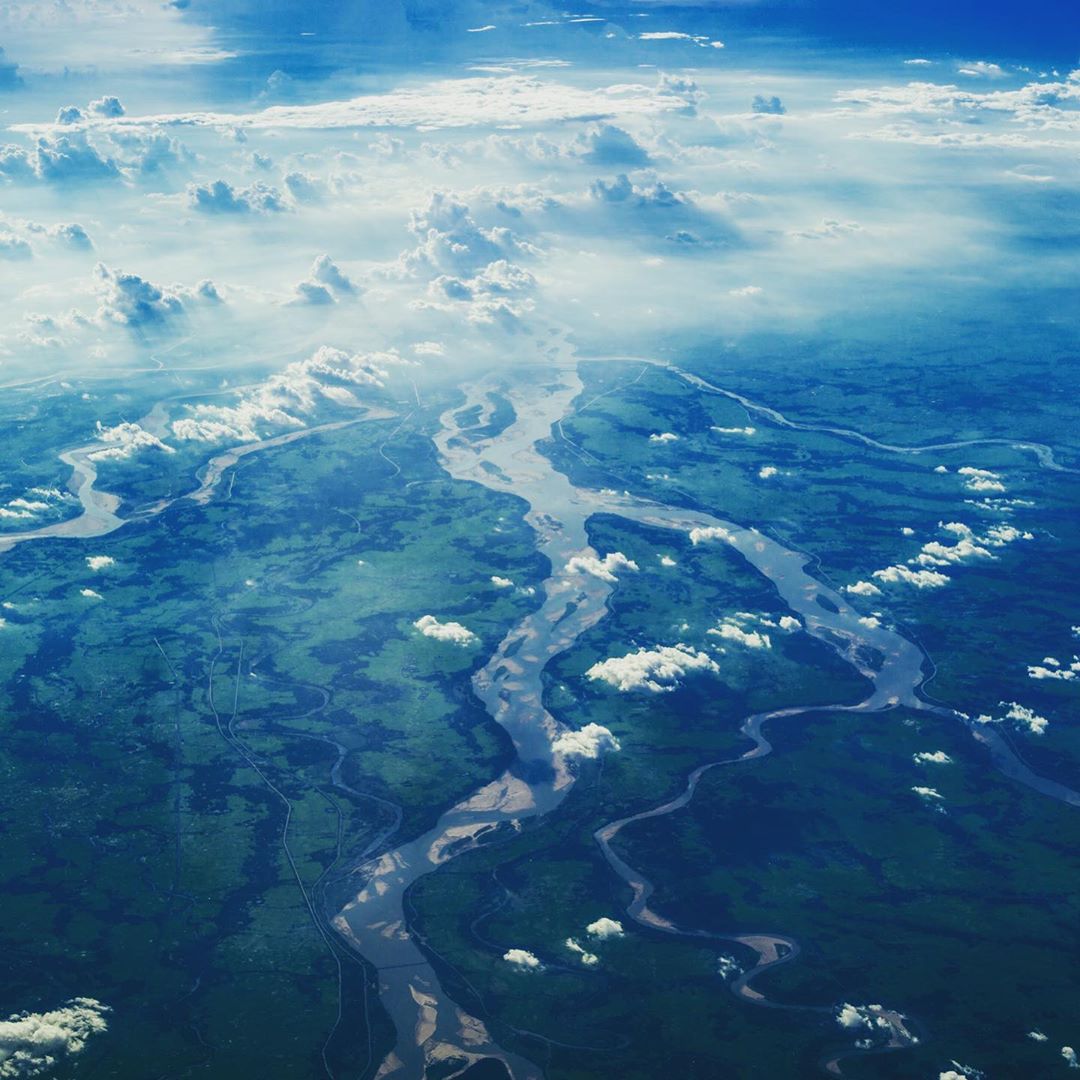
These rivers deposit billions of tons of sediment annually, continuously expanding the delta.
Fertility and Agricultural Importance
The biggest delta in the world is also called the Green Delta Plain because of its extremely fertile alluvial soil.
Major Crops
Rice
Jute
Tea
Sugarcane
This fertility supports millions of farmers and makes the region one of the world’s most productive agricultural zones.
Sundarbans: A Unique Part of the Largest Delta in the World
A major portion of the delta is covered by the Sundarbans, which is the largest mangrove forest in the world.
Wildlife of the Largest River Delta
Bengal tiger
Indian python
Saltwater crocodile
Indian elephant
Kingfishers, eagles, woodpeckers
The Sundarbans play a vital role in protecting coastal areas from cyclones and tidal surges.
Climate and Flooding in the Ganges Delta
The world largest delta experiences:
Tropical monsoon climate
Heavy rainfall
Frequent flooding
While floods replenish soil nutrients, they also pose risks to human settlements.
Economic Importance of the Largest Delta in the World
The Ganges–Brahmaputra Delta supports a population of over 140 million people, making it one of the most densely populated regions on Earth.
Major Economic Activities
Agriculture
Fishing
Inland water transport
Port trade
Major Ports
Kolkata
Haldia
Mongla
Chittagong
Why the Ganges–Brahmaputra Delta Is the Largest Delta in the World
The delta holds this title because:
It is formed by multiple large rivers
It receives huge sediment loads
It spans two countries
It continuously expands due to river deposition
No other delta in the world matches its size or complexity.
FAQs:
Q. Which is the largest delta in the world?
A. The Ganges–Brahmaputra Delta is the world’s largest delta.
Q. Where is the largest delta in the world located?
A. It is located in India (West Bengal) and Bangladesh.
Q. What is the area of India’s Largest Delta?
A. The delta covers approximately 75,000 square kilometers.
Q. Which rivers form the largest delta in India?
A. The Ganges, Brahmaputra, and Meghna rivers form the delta.
Q. Why is the Ganges Delta so fertile?
A. It is made of nutrient-rich alluvial soil deposited by rivers.
Q. Which forest is located in the Ganges Delta?
A. The Sundarbans mangrove forest is the largest in the world.
Conclusion
The Largest Delta in the World, the Ganges–Brahmaputra Delta, is a geographical marvel formed by powerful rivers over thousands of years. Spanning India and Bangladesh, it supports millions of people, rich biodiversity, and vast agricultural lands. Its size, fertility, and ecological importance make it one of the most significant natural regions on Earth.