If we consider the total distance covered by a river in India, then the Ganges is the longest river in India. The two major rivers of the Indian subcontinent – Brahmaputra and Indus, though are much longer than the Ganges, but the distance of these two rivers in India is very less compared to the Ganga.
In India, the length of Ganga river is longer than the Indus River and the Brahmaputra River in India. This is because the Ganges River originates in Gangotri Glacier, which is situated in India. It originates from Uttarakhand, which is in India; hence, it becomes the longest river of India.
If we talk about the Indus River then it becomes the longest river in the India because it has a length of 2900 km, which has its origins in the place of Sinn in Tibet while the length of the Brahmaputra river is 2700 km, which has its origin in Tibet, it is from the Chemayung Dung of Tibet.
Whereas the length of river Ganges is 2,525 km, so in the case of river Ganges, the river is smaller than the Indus River and the Brahmaputra River. But if we consider the total distance covered by a river in India, then the Ganges is India’s longest river. Let’s know in brief about the longest river of India.

River Ganges: The Longest River In India
Know in brief about the longest river in India i.e. Ganges. I have prepared a list of facts about the biggest river in India “Ganga”. Check out below:
- Ganga River is the national river of India.
- The length of the river Ganga is 2525 km or 1569 miles.
- It passes through India’s states Uttarakhand, Uttar Pradesh, Bihar, Jharkhand, and West Bengal.
- The first National Water Way Number – 01 (WH-01) is on the river Ganges, which is from Allahabad (Uttar Pradesh) to Haldia (West Bengal).
- The Ganges river origin is Gangotri glacier, located in Uttarakhand (India).
- It enters the plains near Haridwar
- The Ganges (the largest river in India) is actually the confluence of Bhagirathi and Alaknanda rivers (Devprayag).
- In it, Yamuna River (Prayag, Allahabad), Son River (in Patna) and Bengal Damage Dam (in Calcutta) has met
- The river Ganges is known by the name of Hooghly in Calcutta. Hooghly is ‘the most treacherous river in the world’.
- After Chandpur, located in Bangladesh, Batkar joins the Bay of Bengal in many water distributaries
- The cities of Rishikesh, Haridwar, Garhmukteshwar, Farrukhabad, Kanpur, Allahabad, Vindhyachal, Mirzapur, Chunar, Varanasi (Banaras), Ghazipur, Buxar, Ballia, Patna, Hajipur, Munger, Bhagalpur, Calcutta, and Gangasagar have situated on the banks of river Ganga.
- Ganga – Delta of the Brahmaputra River is considered to be the largest delta in the world, extending between rivers Meghna and Hooghly
- The Calcutta harbor is situated on the banks of the Hooghly River, which is called ‘East of London’.
- Due to the large part of the delta being surrounded by the Sundari tree, it is called ‘Sundarban (West Bengal)’.
The river Ramganga (near Kannauj), Gomti river (near Ghazipur), Ghaghara river (near Chapra), Gandak river (east of Patna in Sonpur), old Gandak river, Kosi or Koshi river (Bihar), The last river is on the left bank in India, meets Mahananda River (in West Bengal), Brahmaputra river, near Pabna – near Goalundo {now in Bangladesh}, here Ganta took the name of Jamuna.

Tributaries & Sites Found in The Ganga
The following are the tributaries and sites found in the Ganga:
(1) Alaknanda + Dholaganga = Vishnuprayaag
(2) Alaknanda + Mandakini = Nand Prayag
(3) Alaknanda + Pindar = Karnpartyag
(4) Alaknanda + Vasukiaganga = Rudraprayag
(5) Alaknanda + Bhagirathi = Devprayag
(6) Ganga + Yamuna + Saraswati = Prayag (Allahabad)
NOTE:
To protect and clean the Ganges River (biggest river in india), the Government of India has started the process of ‘Namami Gange’.
FAQs:
Q. Which is the longest river in India?
A. The longest river in India is the Ganga River.
Q. How long is the Ganga River?
A. The Ganga River is about 2,525 km long.
Q. Where does the Ganga River originate?
A. It originates from the Gangotri Glacier in the Himalayas.
Q. Through which states does the Ganga flow?
A. It flows through Uttarakhand, Uttar Pradesh, Bihar, Jharkhand, and West Bengal.
Q. Where does the Ganga River end?
A. It empties into the Bay of Bengal, forming the Ganga Delta.
Q. What is the importance of the Ganga River?
A. It provides water for drinking, agriculture, transport, and supports millions of people.
Q. Is the Ganga River sacred?
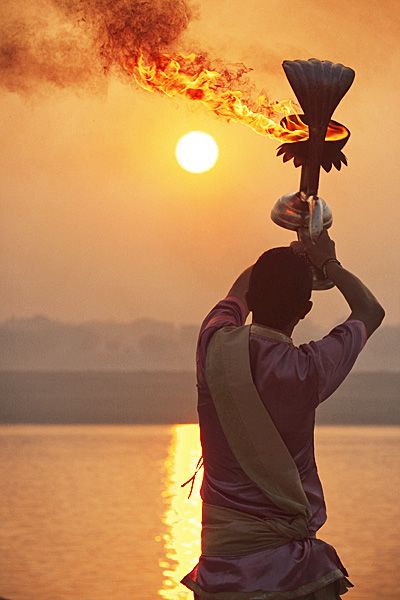
A. Yes, it is considered sacred in Hinduism and worshipped as Goddess Ganga.
Q. What are the major tributaries of the Ganga?
A. Important tributaries include the Yamuna, Ghaghara, Gandak, and Kosi rivers.
Q. Which is the largest delta formed by the Ganga?
A. The Sundarbans Delta is the largest delta formed by the Ganga and Brahmaputra rivers.
Q. What is the main pollution issue in the Ganga River?
A. Industrial waste, sewage discharge, and religious activities contribute to pollution.
Q. Which is the cleanest stretch of the Ganga?
A. The upper Himalayan region near its origin is relatively cleaner.
Q. Why is the Ganga important for agriculture?
A. Its fertile plains support major crop production like rice and wheat.
Q. What wildlife is found in the Ganga River?
A. It is home to the Ganges river dolphin and various fish species.
Q. Which major cities are located on the Ganga?
A. Cities like Varanasi, Allahabad (Prayagraj), Patna, and Kolkata lie on its banks.
Q. What efforts are made to clean the Ganga?
A. The Indian government runs the Namami Gange Programme to reduce pollution and restore the river.